Embrace Your Well-Rounded Retirement: Health, Connections & Growth
The journey from worker to retiree is ultimately a journey toward a more authentic version of yourself—one that’s defined not by professional achievements but by personal values, meaningful relationships, and chosen contributions to the world.
Your retirement can be a time of renewed vitality, deeper relationships, and personal growth. By understanding the challenges, implementing practical strategies, and seeking support when needed, you can navigate this transition successfully and create a retirement that truly serves your wellbeing and happiness. Embrace this opportunity for renewal and discovery.
Allow yourself to feel whatever emotions arise without judgment. Some days will be better than others, and that’s completely normal. The goal isn’t to immediately love retirement but to gradually build a life that feels meaningful, connected, and fulfilling. In this section we touched on what passions and interests can do to have a positive impact on your life by providing the fuel to get you to take action. Your best years may very well lie ahead.
When looking at our future health I believe you need to a holistic approach to this new chapter in life, encompassing physical and mental health, social engagement, and continued personal development to ensure a vibrant and enjoyable retirement.
Physical and mental wellness becomes increasingly important as we age, making health the cornerstone of a fulfilling retirement. The good news is that retirement provides the time and flexibility to prioritize your wellbeing in ways that may have been challenging during your working years.
Mental health deserves equal attention. The transition to retirement can trigger feelings of loss, particularly around identity and purpose that were closely tied to your career. It’s normal to experience a period of adjustment as you navigate this new phase of life. Maintaining mental wellness might involve establishing new routines, practicing mindfulness or meditation, engaging in creative activities, or seeking support from friends, family, or professionals when needed.
Sleep often improves in retirement as the stress of work demands decreases, but it’s worth paying attention to sleep hygiene and creating environments that promote restful sleep. Good nutrition also becomes more manageable when you have time to plan meals, shop thoughtfully, and perhaps even grow your own vegetables or herbs.
Remember that seeking help—whether from friends, family, or professionals—is a sign of wisdom, not weakness. Taking care of your mental health is as important as taking care of your physical health, and both require attention and intention.
The retirement transition is ultimately a journey of rediscovery and growth. While the challenges are real and shouldn’t be minimized, they’re also temporary aspects of a significant life change. It’s about discovering who you are without the title, paycheck, or routine. Be patient with yourself during this transition.
Healthy Life Expectancy (2021-2023):
- Males in England could expect to spend 61.5 years of their lives in good health, compared with 60.3 years in Wales
- For females, it was 61.9 years in England and 59.6 years in Wales
- Males aged 65 years in England could expect to spend 10.1 years in good health, compared with 9.8 years in Wales; for females, it was 11.2 years in England and 10.4 years in Wales
There are concerning recent trends, as since the pre-coronavirus pandemic period (2017 to 2019), male healthy life expectancy at birth in England has fallen by 1.7 years, and in Wales by 1.1 years; for females, it fell by 1.9 years in England and 2.2 years in Wales.
Health- Exercise
I think it is widely accepted that exercise is a major contributor to a happy and healthy life.
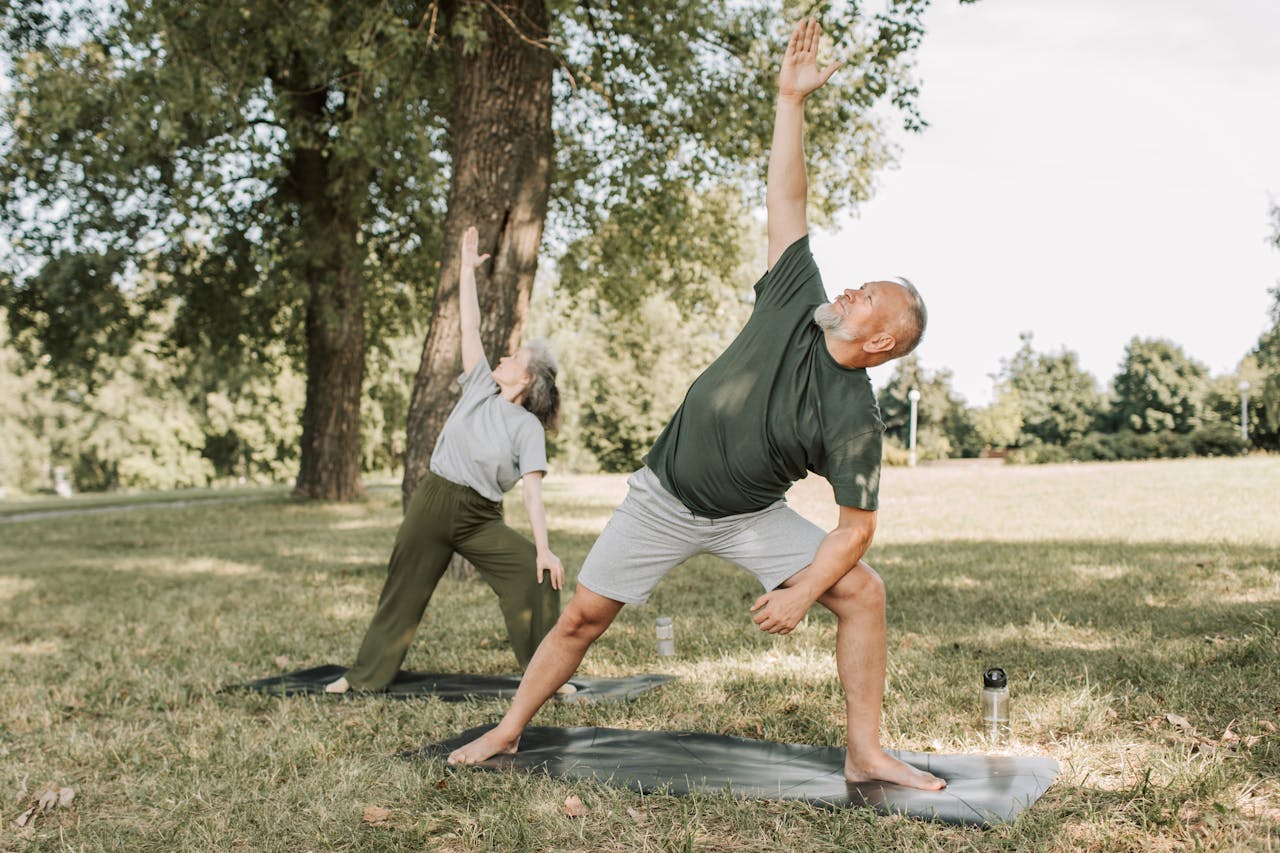
Physical health in retirement goes beyond simply managing chronic conditions or preventing illness. It’s about maintaining the vitality and energy needed to pursue your interests and enjoy time with loved ones. Regular physical activity becomes crucial, but it doesn’t need to involve gruelling gym sessions or competitive sports unless that’s what you enjoy. Walking, swimming, gardening, dancing, or yoga can all contribute to cardiovascular health, muscle strength, and flexibility while being enjoyable and sustainable
Regular physical activity becomes increasingly important after age 55, as people aged over 65 spend 10 hours or more each day sitting or lying down, making them the most sedentary age group. However, there’s encouraging news: older people aged 55 and over in England are leading the way in improving their activity levels, with increases higher than any other adult age groups year on year since 2015/16 Activity levels on-the-up for older people.
Age UK – Despite strong evidence supporting the health benefits of keeping active, over a quarter (27%) of those aged 55-74 and nearly half (49%) of people aged 75+ are reported as being inactive
Exercise helps combat the natural decline in muscle mass, bone density, and cardiovascular health that occurs with aging. It also plays a vital role in maintaining independence and reducing the risk of falls, which becomes increasingly important for this age group.
Evidence shows any amount of activity is proven to have health benefits, not just those who take part in ‘moderate to vigorous’ activities. Those who are more physically active in middle age are also reportedly less likely to die early, whether they do ‘light’ or ‘moderate to vigorous’ activity. It is those who are the most active who are less likely to die early (73%), as opposed to those who do the least.
Health – Mindset & Wellbeing
Exercise is a major contributor to our general health and longevity but it is by no means the only factor in our overall wellness, I would encourage you to take a more holistic approach to this new life stage, encompassing physical and mental health, social engagement, and continued personal development to ensure a vibrant and enjoyable retirement.
The transition to retirement affects mental health in ways that extend far beyond the relief of leaving workplace stress behind. Nearly half of adults (7.7million) aged 55+ say they have experienced depression and around the same number (7.3 million) have suffered with anxiety, highlighting the significant mental health challenges facing this demographic.
Developing psychological resilience is crucial for navigating not just the retirement transition but the ongoing challenges of aging. Resilience isn’t about avoiding difficulties but developing the skills and mind-set to cope with them effectively.
Building resilience involves cultivating a growth mind-set—seeing challenges as opportunities for learning and development rather than threats to your wellbeing. This perspective can help you approach retirement as an adventure in self-discovery rather than a loss to be mourned.
Developing a varied support network is another key component of resilience. This includes family, friends, professionals, and community connections. Having multiple sources of support means you’re not overly dependent on any single relationship and have resources to draw upon during difficult times.
Learning new skills and pursuing intellectual challenges keeps your mind active and provides a sense of progress and achievement. This doesn’t need to be formal education—learning a new language, mastering a craft, or developing expertise in an area of interest all contribute to cognitive health and self-esteem.
The psychological impact of retirement often centres around three core challenges: loss of identity, disruption of routine and structure, and the search for new meaning and purpose.
Loss of identity – For many people, professional identity has been central to their sense of self for decades. The question “What do you do?” has been answered with job titles and career achievements, creating a deep intertwining of personal worth with professional success. When this professional identity is suddenly removed, many retirees experience what psychologists call “identity loss” or “role exit.” This isn’t simply missing the workplace; it’s a fundamental questioning of who you are without the professional roles that have defined you. The impact can be profound, leading to feelings of confusion, worthlessness, or a sense that you’ve lost your place in the world.
While you don’t need to replicate the rigid structure of working life, creating some predictable elements in your days can provide stability during transition. This might include regular wake times, scheduled activities, or weekly commitments that give shape to your week. The key is finding the right balance between structure and flexibility that suits your personality and preferences.
Disruption of routine and structure – Consider developing morning routines that help you start each day with purpose, whether that’s exercise, meditation, reading, or planning your day. Having something to look forward to and a reason to get up can be particularly important during the adjustment period.
Having goals can energize you, provide a sense of purpose, and help to redefine your identity. The process of identity redefinition in retirement doesn’t happen overnight—it’s a gradual journey of self-discovery that requires patience and self-compassion.
The search for new meaning and purpose – Start by reflecting on your core values and interests that exist independently of your previous professional role. What activities have always energized and excite you? What causes do you care about? What skills do you enjoy using? These personal attributes can form the foundation of your post-retirement identity.
Consider volunteering for organizations that align with your values, pursuing creative interests you never had time for, or using your professional skills in new contexts like mentoring or consulting. The goal isn’t to replace your career but to discover new aspects of yourself and new ways to contribute meaningfully to the world.
Cultivating Meaningful Connections
The social connections that sustained you through your working life will naturally shift in retirement. Workplace friendships may require more intentional effort to maintain, while you’ll have opportunities to deepen existing relationships and form new ones. Social connection is not just about having people to spend time with; it’s about maintaining relationships that provide emotional support, intellectual stimulation, and a sense of belonging. This might involve scheduling regular contact with former colleagues, joining clubs or groups based on your interests, or participating in community activities.
Friendships in retirement can be incredibly rewarding. You have the time to nurture these relationships through regular contact, shared activities, and mutual support during life’s challenges. Many retirees find that they develop deeper friendships than they had time for during their working years.
Family relationships often take on new dimensions in retirement. You may have more time to spend with adult children and grandchildren, but these relationships work best when they’re based on mutual respect and clear boundaries rather than assumptions about availability or obligations. Some retirees find great joy in becoming more involved grandparents, while others prefer to maintain some independence and pursue their own interests.
Consider the social aspects when choosing retirement activities. Group fitness classes, book clubs, volunteer organizations, or hobby groups provide both the activity itself and social interaction. Many communities offer programs specifically designed for older adults, providing opportunities to meet people in similar life stages. These connections often feel particularly meaningful because they’re based on choice rather than circumstance.
Don’t underestimate the value of intergenerational connections either. Mentoring younger people, spending time with grandchildren, or participating in mixed-age activities can provide perspective and energy.
Embracing Continued Growth and Learning
Retirement doesn’t mean the end of personal development; it can actually be a time of unprecedented growth and discovery. Without the constraints of career advancement or professional obligations, you’re free to explore interests and develop skills based purely on curiosity and passion.
Learning in retirement takes many forms. You might choose formal education through community colleges, universities, or lifelong learning programs specifically designed for older adults. Many institutions offer special programs or discounted tuition for seniors. Alternatively, you might prefer self-directed learning through books, documentaries, online courses, or hands-on experimentation.
Creative pursuits often flourish in retirement. Whether it’s writing, painting, music, crafting, or any other form of artistic expression, creativity provides a sense of accomplishment and joy while keeping the mind active and engaged. Many retirees discover talents they never knew they had or return to interests they abandoned during their career-focused years.
Travel, whether local or international, offers opportunities for growth through exposure to new cultures, environments, and experiences. The luxury of flexible scheduling means you can travel during off-peak times, stay longer in places that interest you, and explore more deeply rather than rushing through itineraries. Don’t restrict yourself to the clichéd holiday in the sun, embrace holidays specifically designed as experiences, there are many specialist travel agents that provide enlightening itinerary’s, even if you have health issues.
Skill development doesn’t have to be purely recreational. You might choose to develop expertise in areas that allow you to contribute to your community through volunteering or part-time work. Teaching, mentoring, consulting, or skilled volunteering can provide purpose and income while utilizing your experience and knowledge.
My approach to continued growth took the form of staring my own online business which provided me with an opportunity to learn a whole bunch of new skills that have provided me with an income to supplement my pension and savings. It was so easy to get started, and now my business runs pretty much automatically 24hrs a day earning me an income to spend on the things that matter to me. If this sounds of interest to you I recommend you grab a brew and just spend a couple of minutes listening to the guy who introduced me to what is possible with an online business. Here is a link to his video.
Navigate Your Transition Smoothly: Practical Support for Your Next Step
Creating Your Retirement Vision
A well-rounded retirement doesn’t happen by accident; it requires intentional planning and regular reflection. Consider what a fulfilling retirement means to you personally. What activities energize you? What relationships are most important? What have you always wanted to learn or experience? What legacy do you want to create?
Your retirement vision may evolve over time, and that’s perfectly normal. The activities and priorities that excite you in your early sixties may differ from those that appeal to you in your seventies or eighties. The key is to remain flexible and open to new possibilities while maintaining focus on the three pillars of health, connections, and growth.
Some retirees find it helpful to think in terms of phases. The early years of retirement might focus heavily on travel and adventure, while later years might emphasize family relationships and community involvement. Other people prefer a more integrated approach, maintaining elements of all three pillars throughout their retirement years.
Practical Steps for a Well-Rounded Retirement
Start by conducting an honest assessment of your current situation in each area. How is your physical and mental health? What relationships do you want to prioritize or develop? What interests or skills do you want to pursue? This assessment can help you identify areas that need attention and opportunities for growth. From personal experience this is something I struggled with because I never consciously sat down and thought about what I actually wanted out of life and what made me happy I was just driven by, what was usually the next financial goal or the next event in life.
Creating a flexible routine that provide structure without rigidity helped me organise my time and avoided the aimless “what do I do now” scenario. This might include regular exercise times, scheduled social activities, designated learning periods, or volunteer commitments. The key is finding the right balance between structure and spontaneity for your personality and lifestyle.
Stay curious and open to new experiences. Retirement is an excellent time to say yes to opportunities that interest you, even if they seem outside your comfort zone. Join that photography club, volunteer for that organization, take that cooking class, or plan that trip you’ve always dreamed about.
Maintain connections with your pre-retirement life while being open to new relationships and communities. Your professional skills and experience remain valuable assets that can be shared through mentoring, consulting, or community involvement.
Managing Anxiety and Depression – If you’re experiencing persistent feelings of sadness, anxiety, worthlessness, or hopelessness, it’s important to recognize these as potential signs of depression or anxiety disorders rather than normal parts of aging or retirement. Being worried, low or out of sorts aren’t just part and parcel of getting older.
Practical strategies for managing these feelings include maintaining regular physical activity, which has proven benefits for mental health. Even gentle activities like walking, swimming, or gardening can improve mood and provide a sense of accomplishment.
Mindfulness and meditation practices can help manage anxiety and provide tools for staying present rather than worrying about the future or ruminating about the past. Many communities offer meditation groups specifically for older adults, combining the practice with social connection.
Cognitive behavioral techniques can help challenge negative thought patterns that may be contributing to depression or anxiety. This might involve identifying and questioning negative self-talk, focusing on what you can control rather than what you can’t, and practicing gratitude for positive aspects of your life.
Physical Health as Mental Health Support – Regular physical activity is one of the most effective interventions for maintaining mental health in retirement. Exercise doesn’t need to be intensive to be beneficial—regular walking, swimming, yoga, or dancing can all contribute to improved mood, better sleep, and increased energy.
Proper nutrition also supports mental wellbeing. Having time to plan and prepare healthy meals can be one of retirement’s benefits, but depression or anxiety might make this feel overwhelming. Starting with simple, nutritious meals and gradually building cooking skills and enjoyment can be both practical and therapeutic.
Sleep quality often improves in retirement as work stress decreases, but establishing good sleep hygiene remains important. Regular sleep and wake times, comfortable sleep environments, and limiting screen time before bed all contribute to better rest and improved mental health.
When to Seek Professional Help – While many retirement adjustment challenges can be addressed through self-care and lifestyle changes, there are times when professional support is beneficial or necessary. Consider seeking help from a mental health professional if you experience persistent depression or anxiety that interferes with daily life, thoughts of self-harm, severe sleep disturbances, significant changes in appetite or weight, or inability to enjoy activities you previously found pleasurable.
Counsellors and therapists who specialize in life transitions or aging can provide valuable support during the retirement adjustment period. They can help you process feelings of loss, develop coping strategies, and create plans for moving forward.
Support groups, either in-person or online, can also be valuable for connecting with others going through similar experiences. Sharing challenges and strategies with peers can provide both practical advice and emotional support.
Trusted Resources for Support – Several organizations provide excellent resources for mental health and wellbeing during retirement:
- NHS Programs: provides access to mental health support for older adults, including counselling services and support for depression and anxiety. Your GP can be an excellent starting point for accessing these services. NHS also offers comprehensive guidance through their physical activity guidelines for older adults, with resources available at local NHS trusts.
- Age UK Services: offers comprehensive guidance on mental wellbeing for older adults, including practical advice and local support services. Their website provides information on everything from dealing with loneliness to accessing mental health services. Age UK also has classes aimed at over 55s, including dance, tai chi, Pilates and yoga, seated exercises, as well as running/walking football and walking clubs
- British Heart Foundation: Offers guidance specifically on exercising safely as an older adult, with emphasis on heart-healthy activities. Exercising as an older adult, the safe and enjoyable way. They provide a free helpline (0800 678 1602) for information about local programs.
- The Mental Health Foundation has produced specific resources for people approaching or recently entering retirement, including practical strategies for maintaining mental wellbeing during this transition.
- Local community centres often offer programs specifically designed for retirees, including support groups, social activities, and wellness programs.
- Retirement coaching services are increasingly available for those who want professional guidance in navigating the emotional and practical aspects of retirement transition.
I would be happy to answer any questions on this post. Please get in touch or let me know if this post was helpful. Ed.